Efficient Duct Design Solutions for Residential Projects
Updated: Jan 17
Duct design is often overlooked in residential construction, yet it plays a crucial role in ensuring comfort and energy efficiency in homes. Poorly designed duct systems can lead to uneven heating and cooling, increased energy bills, and even health issues due to poor air quality. This blog post will explore efficient duct design solutions that can enhance residential projects, providing homeowners with a comfortable living environment while optimizing energy use.

Understanding Duct Design
What is Duct Design?
Duct design refers to the planning and layout of ductwork systems that distribute heated or cooled air throughout a building. This includes the size, shape, and material of the ducts, as well as their placement and connection to HVAC units. A well-designed duct system ensures that air flows efficiently, minimizing energy loss and maximizing comfort.
Importance of Efficient Duct Design
Efficient duct design is essential for several reasons:
Energy Efficiency: Properly sized and sealed ducts reduce energy consumption, leading to lower utility bills.
Comfort: A well-designed system ensures even temperature distribution, preventing hot or cold spots in the home.
Air Quality: Efficient duct systems minimize dust and allergens, improving indoor air quality.
Longevity of HVAC Systems: Proper airflow reduces strain on HVAC units, extending their lifespan.
Key Principles of Duct Design
1. Proper Sizing
One of the most critical aspects of duct design is sizing. Ducts that are too small can restrict airflow, while ducts that are too large can lead to inefficiencies. To determine the correct size, consider the following:
Manual J Calculation: This method calculates the heating and cooling load of a home, taking into account factors like square footage, insulation, and window placement.
Duct Sizing Charts: These charts provide guidelines for duct sizes based on airflow requirements.
2. Layout and Configuration
The layout of the duct system significantly impacts its efficiency. Here are some best practices:
Minimize Turns and Bends: Each turn in a duct increases resistance, reducing airflow. Aim for straight runs whenever possible.
Use Larger Ducts for Main Runs: Larger ducts can carry more air, reducing the need for multiple smaller branches.
Consider Zoning: In larger homes, zoning allows for different areas to be heated or cooled independently, improving comfort and efficiency.
3. Material Selection
The material used for ducts can affect both efficiency and air quality. Common materials include:
Sheet Metal: Durable and efficient, but can be expensive.
Flexible Ducting: Easier to install but may have higher resistance and lower durability.
Fiberglass Duct Board: Good for insulation but can release particles into the air if not sealed properly.
4. Sealing and Insulation
Proper sealing and insulation are vital for maintaining efficiency. Unsealed ducts can leak conditioned air, wasting energy. Here are some tips:
Use Mastic or Foil Tape: These materials provide a strong seal for duct joints.
Insulate Ducts in Unconditioned Spaces: Ducts running through attics or crawl spaces should be insulated to prevent heat loss or gain.
Innovative Duct Design Solutions
1. Smart Duct Systems
Smart duct systems use technology to optimize airflow based on real-time data. These systems can adjust airflow automatically, ensuring that each room receives the right amount of heating or cooling. Benefits include:
Energy Savings: By adjusting airflow based on occupancy, smart systems can reduce energy consumption.
Enhanced Comfort: Homeowners can customize settings for different rooms, improving overall comfort.
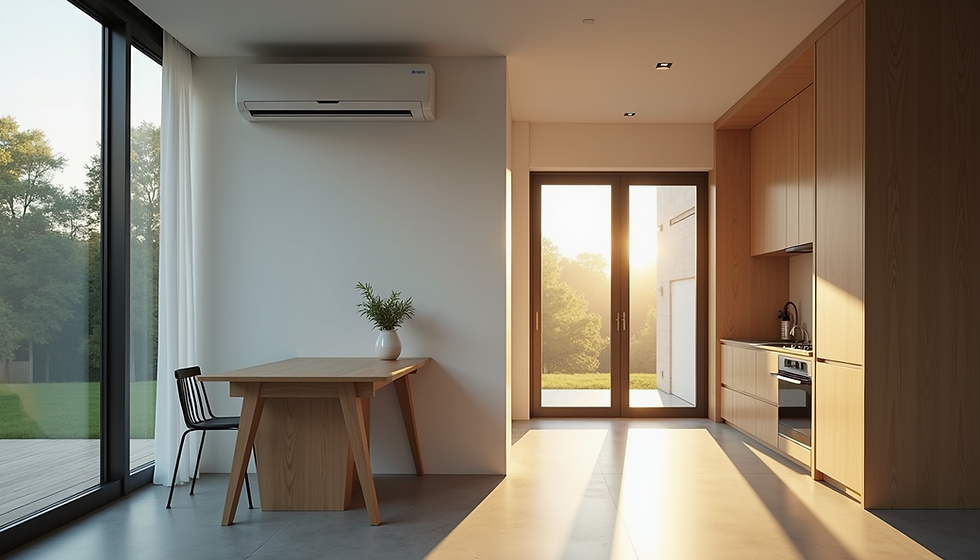
2. Ductless Mini-Split Systems
Ductless mini-split systems eliminate the need for traditional ductwork altogether. These systems consist of an outdoor unit and one or more indoor air handlers. Advantages include:
Flexibility: Ideal for homes without existing ductwork or for room additions.
Energy Efficiency: Ductless systems often have higher SEER ratings, leading to lower energy bills.
3. Advanced Filtration Systems
Integrating advanced filtration systems into duct designs can improve indoor air quality. Options include:
HEPA Filters: These filters capture small particles, reducing allergens and pollutants.
UV Light Systems: UV lights can kill mold and bacteria in the duct system, promoting cleaner air.
Case Studies: Successful Duct Design Implementations
Case Study 1: Energy-Efficient Home in California
In a recent residential project in California, a homeowner sought to improve energy efficiency. The design team implemented a duct system that included:
Manual J Calculation: This ensured the ducts were appropriately sized for the home’s heating and cooling needs.
Zoning: The home was divided into three zones, allowing for tailored temperature control.
As a result, the homeowner reported a 30% reduction in energy bills and improved comfort throughout the house.
Case Study 2: Ductless System in a Renovated Loft
A loft renovation in New York City presented challenges due to limited space for ductwork. The solution was to install a ductless mini-split system, which provided:
Easy Installation: The absence of ductwork simplified the renovation process.
Individual Control: Each room had its own air handler, allowing for customized comfort.
The homeowner appreciated the flexibility and energy efficiency of the system, leading to a successful renovation.
Conclusion
Efficient duct design is a critical component of residential projects that can significantly enhance comfort and energy efficiency. By understanding the principles of duct design, exploring innovative solutions, and learning from successful case studies, homeowners and builders can create systems that meet their needs effectively.
As you plan your next residential project, consider these duct design solutions to ensure a comfortable and energy-efficient home. Whether you opt for traditional duct systems or explore ductless options, the right design can make all the difference in your living environment.
Take the next step by consulting with a professional to assess your duct design needs and implement solutions that will benefit your home for years to come.

Comments